uconn health

How to Enroll in the Occupational Health Surveillance Program

In order to be compliant with both PHS Policy on the Humane Care and Use of Laboratory Animals and the UConn Health Policy on Occupational Health Surveillance Program for Principal Investigators, Researchers, Technicians, Center for Comparative Medicine Staff, and Students Utilizing Animals in Research or Educational Programs, the Principal Investigator and everyone listed on a protocol as an animal user must enroll in the UConn Health Occupational Health Surveillance Program for Animal Users on an annual basis.

It would be helpful for all animal users to perform a preliminary risk assessment prior to filling out the MACE form (see below). Click on the species that will be used to see associated risks. Prior to consulting with each person listed on the protocol, the PI is advised to come to a consensus with the Biological Safety Officer (BSO) about what will be considered hazards in the IACUC protocol.

IMPORTANT INFORMATION:  You cannot enroll in the OHS program until you have completed an initial animal user registration form and that form has been processed by the IACUC office.  DO NOT TRY to enroll in the OHS program until you receive an email informing you that your animal user training registration form has been processed.  You must have a UConn Health network account; if you do not, you will not be able to enroll in the OHS program.  You will need to speak with your department administrator to have one set up.  This includes people from UConn Storrs or other branches – you still will require a UConn Health network account.

PLEASE NOTE:  There has been some confusion between the OHS program and the medical clearance for animal use requirement.  Enrollment in the OHS program is done when you complete the MACE form and submit it.  The medical clearance is an appointment with Employee Health Service (EHS) where they ensure that you are medically fit to use animals, as using laboratory animals is a hazard.  To complete this requirement, you need to call EHS at x2893 and say you need an appointment to be cleared for laboratory animal use.

To enroll:

Complete the Mandatory Annual Certification of Enrollment (MACE) enrollment form

(You MUST be on campus or connected to the UConn Health VPN, and otherwise signed in to the UConn Health network through some other means, i.e. remote.uchc.edu, to complete this form and submit it to the IACUC and Employee Health Services offices via the “submit” button at the top of the form. If you are off campus and can’t gain access through VPN, contact the UConn Health IT department (860-679-4400) for any questions or accessing this form from off campus.  Please DO NOT contact the IACUC office. )

Protecting yourself with Personal Protective Equipment (PPE), including respirators is HIGHLY RECOMMENDED. Respirators may be helpful in preventing allergies to laboratory animals.  Unless directed by Environmental Health & Safety (EH&S) that a respirator is required for a specific task, your choice to wear a respirator will be considered voluntary.  If you choose to protect yourself with a respirator, you will need to review the OSHA document regarding the use of respirators.

You will also need to consult with EH&S, or with the Biological Safety Officer (BSO), about how to do this. For respirators, medical clearance and fit testing will be required.  Medical clearance for respirators is obtained through Employee Health Service (EHS).  Medical clearance is separate from the OHS program and involves filling out a separate questionnaire – call EH&S at 860-679-2723 to get a copy of the Respirator Questionnaire and then send the Respirator Questionnaire directly to EHS (MC-6210).  Respirator fit testing and training is performed by EH&S and must be done after written medical clearance is received from EHS.

Please note that no new protocols or modified protocols will be approved until all personnel associated with these protocols are enrolled in the Occupational Health Surveillance Program for Animal Users; therefore, please make this a priority in your laboratory.

Thank you for your cooperation in this matter.

Occupational/Environmental Medicine
Environmental Health and Safety
Institutional Animal Care and Use Committee

Leptospirosis

What Is Leptospirosis?

Leptospira species are bacteria found in many animals but are most commonly associated with livestock and dogs. Transmission from laboratory rodents to people has been reported. It causes an acute febrile illness with fever, headache, nausea, and vomiting. Leptospirosis in animals is often subclinical- an infected animal may appear healthy even as it sheds the bacteria in its urine.

Routes of Infection

Humans become infected with Leptospires after exposure to fresh urine. The bacterial infect humans by invasion across mucosal surfaces or non-intact skin. Infection may occur via direct contact with urine or through contact with contaminated water and soil. In favorable conditions, leptospires can survive in fresh water for as many as 16 days and in soil for as many as 24 days.

Risks

In 10 percent of cases, leptospirosis presentation is dramatic and reaches mortality rates of 10 percent.

Prevention

Leptospira infection can be prevented by taking the appropriate precautions when handling rodents of unknown lymphochoriomeningitis virus (LCMV) status. Keeping wild rodents out of the animal facility is an important step to prevention of leptospirosis in the laboratory rodent population.

Hantavirus

What Is Hantavirus?

Hantavirus Pulmonary Syndrome (HPS) is a respiratory disease caused by a virus known as Sin Nombre Virus. The virus is carried by wild rodents, especially deer mice. The virus produces no clinical symptoms in the deer mice, but can produce a deadly infection in man – over 50 percent of human cases have been fatal.

Routes of Infection

Humans become infected with the hantavirus when they inhale dust which has been contaminated with rodent urine. Most individuals who have become infected have lived or worked in areas that were heavily contaminated with rodent droppings. Campgrounds, abandoned cabins, and other areas that have become infested with high populations of wild rodents should be considered risky. Digging up a rodent nest, trapping wild rodents, or performing necropsies on wild rodents would also be considered risky activities.

If a human being becomes infected, signs of illness usually appear about two weeks after exposure, although the time can range from a few days to as long as six weeks. The first signs are fever, headache, and pain in the abdomen, joints, and back. Afterwards, the patient’s lungs begin to fill with fluid and breathing becomes extremely difficult. A high proportion of the patients die, but early treatment offers the best chance of survival. If you develop symptoms that are suspicious of HPS, and you have worked with or been around wild rodents within the last six weeks, report this information to your physician immediately.

Risks

Most individuals who have contracted HPS have acquired the disease by living and sleeping in areas where there are large populations of rodents and copious quantities of dust contaminated with their feces. In a research setting, there is also risk associated with individuals that work with wild rodents.

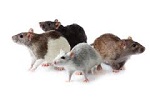
Hazard Assessment: Rodents (Mice, Rats, Hamsters, Gerbils, Guinea Pigs, and Chinchillas)

Your Potential Risksrodents

Based on the species you are working with, you should be aware of the following potential health risks:

What You Should Do

1. Be knowledgeable about the potential for developing allergies and/or asthma due to animal handling- especially if you are already allergic. When seeking any medical advice for illness, inform your physician that you work with rodents.

2. Consider using a NIOSH-approved N95 respirator – even if you do not have any symptoms. These respirators have been shown to reduce the chance of developing laboratory animal allergies. In order to use a respirator, you must have a fit test through the Environmental Health & Safety.

3. Perform procedures in a laminar flow hood whenever possible. Minimize wearing protective clothing, such as lab coats, outside of animal areas. Use disposable supplies whenever possible. Sanitize laboratory work areas after animal work.

4. Know proper handling techniques of the rodents you are using. Proper rodent handling techniques is available through the Center for Comparative Medicine. Follow any posted personal protective clothing requirements.

5. Always wash your hands after coming in contact with rodents or their saliva, urine, blood, feces, and/or bedding materials. This is the primary method of preventing laboratory acquired infections associated with the use of rodents – even if you use gloves.

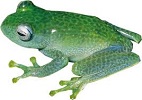
Hazard Assessment: Fish, Reptiles, and Amphibians

Animals included in this risk assessment group:amphibian

  • Snakes
  • Frogs
  • Fish
  • Axolotls

Your Potential Risks:

Based on the species you are working with, you should be aware of the following potential health risks:

Special Note on Aquatic Pathogens:

Other than through food poisonings, there are relatively few infectious agents that you can catch directly from fish.  There are, however, a number of agents that are common in pond water.  If you work with pond water, water that is stagnant, or contains a large amount of organic material, you should wash your hands and arms thoroughly after contact with the water.  If you spend a lot of time in the water, you should wear sturdy, impervious gloves.  If you develop a rash or other lesion on your arms or hands, report your exposure to this type of water to Employee Health Service (860-679-2893).

Hazard Assessment: Rabbits

Your Potential Risksrabbits

Based on the species you are working with, you should be aware of the following potential health risks:

What You Should Do

1. Be knowledgeable about the potential for developing allergies and/or asthma due to animal handling- especially if you are already allergic. When seeking medical advice for any illness, inform your physician that you work with rabbits.

2. Consider using a NIOSH-approved N95 respirator- even if you do not have any symptoms. These respirators have been shown to reduce the chance of developing laboratory animal allergies. In order to use a respirator, you must have a fit test through the Environmental Health & Safety.

3. Know proper handling techniques of rabbits to reduce the potential for injuries due to scratches and bites. Remember that rabbits have powerful hind legs- and they use them if they get stressed even if they are generally docile. If you do get an injury after handling a rabbit, seek medical attention promptly. Only trained personnel should handle rabbits. Handling and restraint training can be scheduled through Center for Comparative Medicine.

4. Gloves and long-sleeved apparel should be worn at all times when working with rabbits. Minimize wearing protective clothing, such as lab coats, outside of animal areas and laboratories.

5. Remove transport carriers from labs/offices/public areas.

6. Use disposable supplies whenever possible. Sanitize laboratory/surgical work areas after animal work.

7. Always wash your hands after coming in contact with rabbits or their saliva, urine, blood, feces, and/or bedding materials. This is the primary method of preventing laboratory acquired infections associated with the use of rabbits- even if you use gloves.

8. There are diseases that have been associated with rabbits- not commonly associated with laboratory rabbits- including Brucella, Francisella (tularemia), Q-fever, Plague, and dermatophyte infections.

Tuberculosis

Causative Agent

Mycobacterium tuberculosis causes a rapidly fatal pneumonia in most Old World primate species, and chronic pneumonia in humans. Typically, infected humans present a much greater risk to the animals than animals do to humans. It would be unusual for the disease to be transmitted to humans, unless the animal is undergoing surgery or pathologic examination. Infected tissue samples can also present a risk to laboratory workers. Prevention of disease includes routine use of respiratory protection and protective clothing when working with tissues or when coming into close proximity to animals. Animals and human handlers are screened every 6 months for disease. Animals are also quarantined and screened on entry into the facility.

Routes of Infection

Tuberculosis (TB) is spread through the air from one person to another. The bacteria are put into the air when a person with active TB disease of the lungs or throat coughs or sneezes. People nearby may breathe in these bacteria and become infected. However, not everyone exposed to the bacteria become sick- they may come to have a latent TB infection.

Risks

In rare instances, individuals may become infected with TB if they are working with non-human primates. It is a risk to the non-human primates to be handled by individuals with TB infections.

Treatment

People with active TB disease can be treated and cured if they seek medical help. People with latent TB infection (e.g., positive skin test and negative chest X-ray) can take medicine so that they will not develop active TB disease.

Lymphochoriomeningitis Virus

What Is Lymphochoriomeningitis Virus?

Lymphochoriomeningitis virus (LCMV) is a rodent-borne viral infectious disease that presents as aseptic meningitis, encephalitis, or meningoencephalitis. LCMV is a member of the family Arenaviridae. It is most commonly recognized as causing neurological disease but can cause infection without symptoms or mild febrile illnesses. Pregnancy-related infections have been associated with congenital hydrocephalus, chorioretinitis, and mental retardation.

The primary host is the common mouse, Mus musculus. Infection in these mouse populations vary by geographic location but approximately five percent of mice throughout the United States harbor LCMV. The virus is found in saliva, urine, and feces of infected mice. Other types of rodents, such as hamsters, are not the natural reservoirs but can become infected with LCMV if exposed to infected mice. Infections have been documented from pet rodents (hamsters, gerbils, and guinea pigs).

Routes of Infection

Humans become infected with LCMV after exposure to fresh urine, droppings, saliva, or even nesting materials. Transmission can also occur when these materials are directly introduced into broken skin, the nose, the eyes, or the mouth or via the bit of an infected rodent. Person-to-person transmission has not been reported (with the sole exception of vertical transmission from infected mother to fetus). However, recent investigations indicate that organ transplant may also be a mode of transmission.

Risks

Individuals of all ages who come into contact with urine, feces, saliva, or blood of infected mice are potentially at risk for infection. However, this risk can be minimized by utilizing animals from sources that regularly test for the virus, wearing proper protective clothing and gear, and following appropriate precautions.

Prevention

LCMV infection can be prevented by taking the appropriate precautions when handling rodents of unknown LCMV status. Keeping wild rodents out of the animal facility is an important step to prevention of LCMV in the laboratory rodent population.

Ebola/Marburg/Filoviruses

What Are Ebola Viruses?

The Ebola virus is part of a family of Filoviruses which can cause a devastating and often fatal disease in humans. Imported macaques have been implicated in outbreaks of Ebola suptype Reston (Ebola-R) in facilities in the United States beginning in 1989. Outbreaks of Marburg virus exposure occurred in Germany and Yugoslavia which were also from imported macaques into those countries. Nonhuman primates are unlikely to be a reservoir of Ebola virus since experimental or natural infection is quickly fatal.

Routes of Infection

Humans can become infected with filoviruses mainly by droplets and body fluid fomites. Filoviruses form infectious aerosols. Transmission of Marburg virus between animals and humans has usually been the result of contact with infected tissues.

Risks

The relative risk of coming into contact with a nonhuman primate contaminated with Ebola or Marburg virus is extremely low; however, nothing is absolute. Most nonhuman primates, initially, are wild-caught animals.

Prevention

Prevention is the use of quarantine facilities approved by the CDC and the use of appropriate biosafety programs for imported macaques and other nonhuman primates, especially after receipt from endemic areas. The efficacy of the measures is based on the suppositions that filoviruses often result in significant disease in nonhuman primates held in quarantine; they are not latent or chronic diseases; and, as such, would be found during quarantine procedures.

Non-Human Primate Specific OHS Risks


In the laboratory setting, non-human primates pose a real potential for exposure of personnel to zoonotic diseases. Although transmission of zoonotic diseases from non-human primates to humans is rare, laboratory personnel and animal care staff are at risk due to animal exposure. Serious injury from bites and scratches can occur. These types of injuries/ exposures can be avoided if personnel are properly trained prior to beginning any type of work with non-human primates. Staff working with non-human primate tissue should also receive first-aid training in the event of a needle stick or injury from a surgical/procedural instrument.

Non-human primates are highly susceptible to human diseases, such as influenza, measles and tuberculosis. Personnel working with primates must be TB tested prior to working with non-human primates and re-tested annually. Any individual who is experiencing cold/flu symptoms or has active herpes simplex lesions (e.g. cold sore ) should avoid going into non-human primate areas until their symptoms have resolved.

Note:

  • Due to the serious zoonotic potential of Herpes B-virus, all macaque users (Macaca fasicularis/cynomolgus monkeys, Macaca mulatta/rhesus monkeys) must attend a first aid workshop prior to working with these animals.
  • All personnel working with non-human primates MUST have proof of annual TB testing. Personnel that do not have a documented negative TB test within the last 12 months are required to wear both a surgical mask and a face shield.

Recommended Preventative Measures

  • Require a TB test annually for all staff working with non-human primates
  • Only trained personnel should handle monkeys. Handling and restraint training can be scheduled through Center for Comparative Medicine.
  • Wash hands after handling animals or related equipment
  • Never wear protective clothing outside the animal areas
  • When seeking medical advice for any illness, inform your physician that you work with nonhuman primates
  • All personnel observing husbandry procedures or surgical experiments must wear full protective clothing.  Limit observers to necessary personnel.
Protective clothing appropriate before entering animal holding rooms. Protective clothing appropriate for laboratory procedures (including euthanasia and perfusion procedures) and acute and survival surgeries. (For all laboratory personnel, including observers.)
  • Disposable head bonnet
  • Disposable or UConn-laundered moisture resistant gown or lab coat
  • Disposable moisture resistant shoe covers
  • Disposable gloves (equipment handlers may also be required to wear leather or fabric protective over gloves)
  • Face mask with goggles containing peripheral protection or face shield with chin guard
  • Surgical scrub suit
  • Disposable head bonnet
  • Disposable or UConn-laundered moisture resistant gown or lab coat
  • Disposable moisture resistant shoe covers
  • Disposable gloves. Double gloving is required for personnel performing any procedural or surgical manipulations
  • Surgical mask and goggles containing peripheral vision protection or face shield with chin guard

Monkeys in Transport

Monkeys should be transported outside of the animal housing either in dedicated transport cages and covered with a moisture resistant cloth. Protective clothing should remain on while working with or around the animal at all time except during transport.

Waste Management

  • Disposables: All disposables, feces and left over food is treated as medical waste.
  • Non-disposable soiled cloth materials including lab coats and surgical towels are sent out to a professional laundry service and are treated by commercial laundering service as BSL 2 contaminated articles.
  • Cages are pre-cleaned in the animal room before sent to the washroom

Response to Injury

Any potential exposure to macaque blood/saliva/urine/feces/tissue is considered an injury and must be treated as follows. this includes cuts or scratches from a cage inside a macaque room, needle sticks, bites, splashes, etc. if in doubt ,treat it as an exposure.

Bite/Scratch Emergency Kits

Bite/ scratch emergency kids are located outside all rooms housing macaques. staff must be familiar with the location of the kits. all are square white medical cabinets with bright orange signs that say “Monkey bite/scratch emergency kit.” Dimensions are approximately 20″ x 20.”

Procedure

  1. Scrub or irrigate wound immediately with a mixture of soap and irrigation solution. you must do this within 2 to 3 minutes of exposure. since the B-virus may enter the body within minutes of exposure, this is the only way to keep it from entering the wound and becoming infected. Scrub or irrigate the wound for 15 to 20 minutes. For exposures of the eyes, nose, mucous membranes: irrigate with the sterile eye solution in first aid kit immediately and then find an eye wash station to continue rinsing your eyes for 15 to 20 minutes. Never use a bleach solution in your eyes For bites, lacerations or needle sticks: soak and scrub the wound with the soap mixture. Deep wounds can be gently massaged to increase contact with the mixture. Keep scrubbing for 15 to 20 minutes. Wash all of the soap mixture out of the wound after you are done scrubbing.
  2. Visit Employee Health during working hours (Dowling South Building, 3rd Floor) or the Emergency Department during Weekends, Holidays and after hours (Dempsey Hospital first floor, 860-679-2588) for a wound culture, a blood sample and other immediate care as necessary. Bring the bag labeled Employee Health/Emergency Department from the first aid kit with you. This should include sterile swabs, culture and serum tubes, a protocol for further evaluation, a signs and symptoms of infection sheet and a form for sample submission to Georgia State University Viral Immunology Center.
  3. Notify Veterinary Services during working hours call 860-679-2731, during weekends, holidays and after hours call 860-679-2626 and ask the operator to page the attending veterinarian. Veterinary services will follow up on the health status of the monkeys.

Specific Occupational Hazards

There are several viruses associated with non-human primates that can cause significant disease in people. These include the Hemorrhagic Fever Viruses, Filoviruses and Monkey Pox Viruses. These are usually associated with recently imported, wild-caught animals in quarantine, but are very rare in domestically bred animals. These viruses can cause fatal diseases in people.

Note: There are numerous viruses associated with primates which have unknown or uncertain pathogenic potential. Examples include:

  • SIV and STLV, This is the simian counterpart to HIV and HTLV
  • Foamy agent and various other simian viruses, e.g., SV5, SV40, etc.
  • Herpesviruses saimiri (squirrels), tamarinus (tamarinds), etc. These may be progenitors of human viruses and their role in human illness is unknown at this time.

Cercopithicine Herpesvirus 1 (CHV1, Herpesvirus Simiae, Monkey B Virus)

This disease is quite rare in people but is either fatal or causes permanent neurological disease. most macaques are asymptomatic carriers or display only mild oral lesions that are difficult to detect. therefore, all macaques should be presumed to be shedding B virus.

  • Reservoir/source of infection to people: Macaques are the major source of infection; although other old world primates may be infected
  • Transmission: Transmission occurs via bites, scratches, splashes (any body fluid or secretion, feces) needle sticks and any direct contact with macaque tissue
  • Disease in people: The disease in people is associated with a rapidly ascending encephalomyelitis leading to death in 50 percent of the cases. Permanent neurological deficits are present in survivors.

Tuberculosis

This disease may be transmitted to people through contact with birds, livestock, and non-human primates. Routine TB testing is performed on all UConn non-human primates.

  • Reservoir/source of infection to people: Mycobacterium spp. may be transmitted to non-human primates (old world primates are particularly susceptible) from humans which can be a source of infection to other people and monkeys
  • Transmission: Tuberculosis is usually transmitted by the aerosolization of infective bacilli which can be found in the sputum as well as other body fluids. Contact with body fluids during necropsy may be a major mode of transmission to humans
  • Disease in people: Pulmonary tuberculosis is the most common type but other organs may also be involved.

Shigellosis

This is a relatively common zoonotic disease that must be differentiated from salmonellosis, campylobacteriosis and other enteric diseases.

  • Reservoir/source of infection to people: Humans are the main reservoir of disease but like tuberculosis, infected monkeys can be a source of infection. Any non-human primate may harbor Shigella bacteria, and clinical signs may not be apparent
  • Transmission: fecal/oral
  • Disease in people: Diarrhea, may be with blood or mucus.

Salmonella

  • Reservoir/source to people: Non-human primates, dogs, cats, birds, reptiles (especially iguanas and turtles), and wild rodents
  • Transmission: fecal/oral
  • Disease in people: Gastrointestinal disease, can be febrile with septicemia.

Cryptosporidium

Protozoal organism that is common in mammals, particularly younger animals.

  • Reservoir/source of infection: Many mammals
  • Transmission: Fecal/oral
  • Disease in People: Self-limiting diarrhea except in immune compromised people where it can be quite severe. No treatment.

Giardia

  • This protozoan is found in many mammals.
  • Reservoir/source: non-human primates, other mammals, standing water
  • Transmission: Fecal/oral
  • Disease in People: Diarrhea +/- other systemic signs such as severe cramping and nausea/vomiting.

Allergies

General animal related allergies are common. Although there are no known allergens associated with monkeys, the non-human primate environment may have common allergens present such as dust from bedding.